Fire Risk Assessment for Retail Stores and Shopping Malls
Introduction to Fire Risk Assessment
Retail stores and shopping malls are complex commercial spaces that accommodate a large number of people every day. These premises contain various fire hazards due to electrical installations, combustible materials, food courts, and continuous public movement. A Fire Risk Assessment (FRA) is a systematic process used to identify fire hazards, evaluate the level of risk, and implement suitable control measures. The main aim of a fire risk assessment is to protect lives, prevent property damage, and ensure business continuity.
Common Fire Hazards in Retail Stores and Malls
Retail environments face multiple fire hazards that must be carefully managed. Electrical faults are one of the leading causes of fires and may result from overloaded circuits, faulty wiring, or poor maintenance of equipment. Large quantities of combustible materials such as clothing, paper, cardboard packaging, and decorative items significantly increase the fire load. Food courts and restaurants introduce additional risks through cooking appliances, gas systems, and hot oils. Poor housekeeping practices, including blocked exits and improper waste storage, can further increase fire risk.
People at Risk in Case of Fire
Shopping malls and retail stores are occupied by a diverse group of people, many of whom may be unfamiliar with the building layout. Customers are at the highest risk, especially children, elderly individuals, and persons with disabilities. Employees working in shops, food courts, and offices are also exposed to danger. Security personnel, cleaners, and maintenance staff may be at risk while guiding evacuations or attempting to control the fire. A proper fire risk assessment ensures that the needs of all these groups are considered.
Fire Prevention and Protection Measures
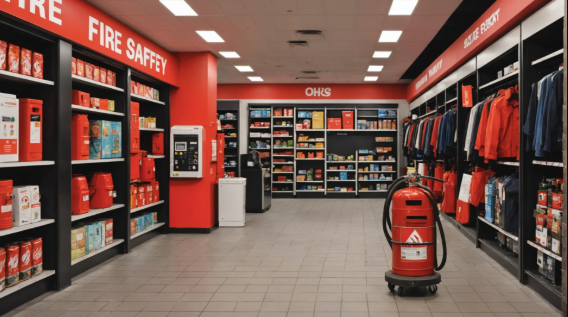
Fire prevention plays a vital role in reducing the likelihood of fire incidents. Regular inspection and maintenance of electrical systems are essential to prevent electrical fires. Flammable materials should be stored safely and kept away from ignition sources. Effective fire detection and alarm systems, including smoke detectors and manual call points, must be installed and tested regularly. Firefighting equipment such as fire extinguishers, hose reels, and sprinkler systems should be appropriate for different classes of fire and easily accessible to trained staff.
See also: Affordable Moving Services for Homes & Businesses in Sydney
Means of Escape and Emergency Planning
Safe evacuation is critical during a fire emergency. Retail stores and shopping malls must have clearly marked emergency exits that are kept free from obstruction at all times. Emergency lighting and visible exit signage help guide occupants during power failures or smoke-filled conditions. Fire evacuation plans should be displayed prominently, and staff must receive regular training on emergency procedures. Conducting fire drills helps ensure that employees can respond quickly and effectively during a real emergency.
Review, Maintenance, and Conclusion
Fire Risk Assessments should be reviewed regularly and updated whenever there are changes in building layout, occupancy levels, or operational activities. Continuous monitoring and improvement of fire safety measures reduce the likelihood of fire incidents and minimize potential damage. In conclusion, fire risk assessment is a critical safety requirement for retail stores and shopping malls, ensuring the protection of life, property, and business operations while maintaining compliance with fire safety regulations.