Benefits and Risks of Moving to the Cloud
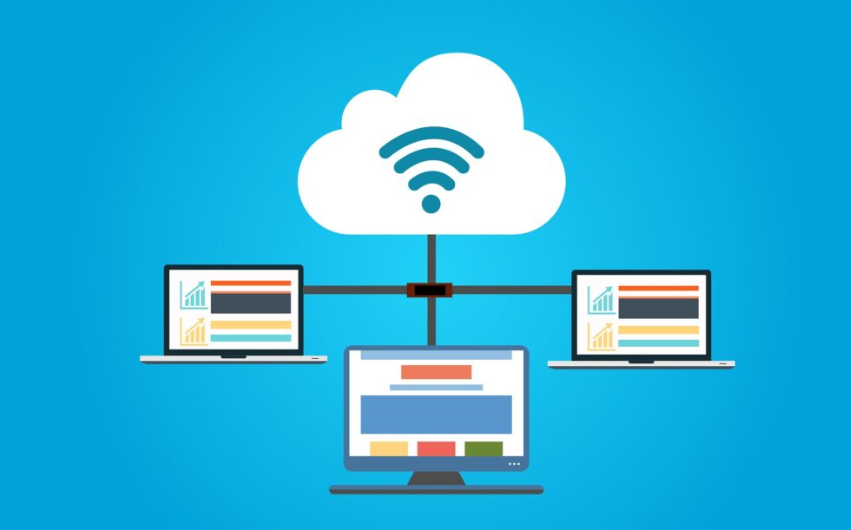
The transition to cloud computing presents a complex landscape of benefits and risks. Organizations can achieve remarkable scalability and cost efficiency while enhancing collaboration among teams. However, these advantages are often counterbalanced by security vulnerabilities and compliance challenges. As companies navigate this duality, understanding the implications of cloud migration becomes essential. What strategies can effectively mitigate risks while capitalizing on the advantages?
Advantages of Cloud Computing
Although organizations may face initial challenges when transitioning to cloud computing, the advantages often outweigh the drawbacks.
Notably, cloud solutions provide significant scalability benefits, allowing businesses to adjust resources as needed without excessive investment.
Furthermore, collaboration enhancements enable teams to work seamlessly across geographies, fostering innovation and productivity.
These benefits collectively empower organizations to operate more efficiently and flexibly in a competitive landscape.
See also: 10 Emerging Technologies That Will Define the Next Decade
Security Concerns in the Cloud
While cloud computing offers notable advantages such as scalability and enhanced collaboration, it also introduces significant security concerns that organizations must address.
Key issues include the potential for unauthorized access and data breaches. Implementing robust data encryption and stringent access controls is essential for protecting sensitive information.
Organizations must proactively manage these risks to maintain data integrity and ensure compliance with regulatory standards.
Cost Implications of Cloud Migration
As organizations consider migrating to the cloud, they must carefully evaluate the associated cost implications that can significantly impact their overall budget and financial strategy.
While cloud migration offers potential cost savings through reduced infrastructure and maintenance expenses, accurate budget forecasting is essential to account for unforeseen costs.
Organizations need to balance immediate expenditures with long-term financial benefits to ensure sustainable investment in cloud technology.
Managing Downtime and Service Reliability
Effective management of downtime and service reliability is critical for organizations transitioning to cloud environments, given that disruptions can significantly impact operational efficiency and user satisfaction.
Implementing robust downtime strategies, such as redundancy and failover systems, enhances reliability metrics. Continuous monitoring and assessment of these metrics facilitate proactive responses, ensuring minimal disruption and fostering a resilient cloud infrastructure that supports organizational freedom and agility.
Conclusion
In the intricate dance between opportunity and risk, moving to the cloud presents a double-edged sword for organizations. While the allure of scalability and cost efficiency beckons like a siren’s song, the shadows of security vulnerabilities and compliance challenges loom ominously. To navigate this complex landscape, businesses must wield strategic foresight and robust security measures, ensuring that their cloud migration not only elevates their operations but also fortifies their defenses against potential pitfalls in this digital age.